

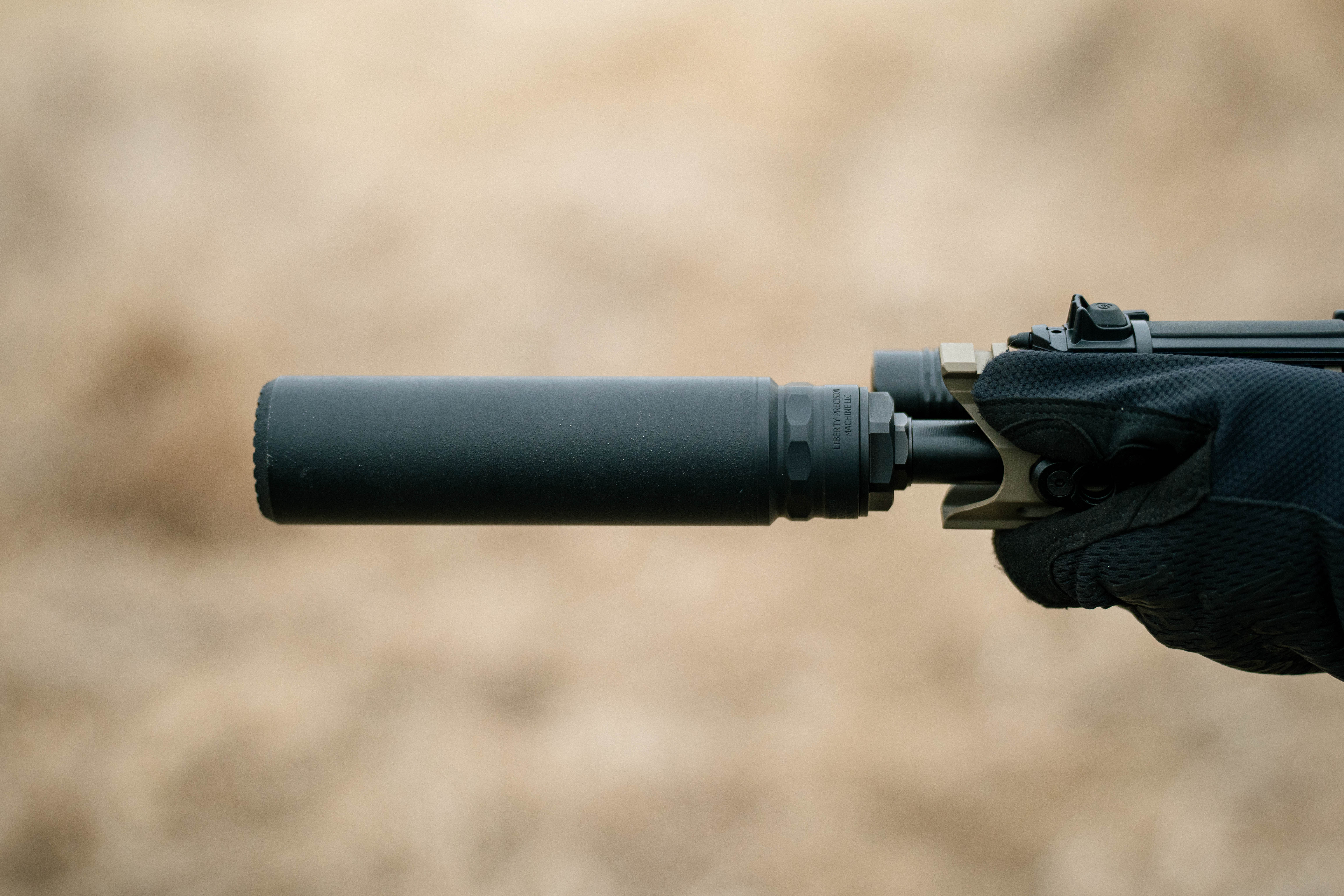
How Quiet Is a Silencer? Real-World Performance Explained
If you’ve never shot with a silencer, you’re missing out.
One of the first questions we hear all the time is:
“How quiet does it actually make your gun?”
The answer isn’t as simple as most people expect—but once you experience it firsthand, it completely changes the way you think about shooting.
Let’s break it down.
Are Silencers Actually “Silent”?
Not exactly—and that’s one of the biggest misconceptions out there.
A silencer doesn’t make your firearm whisper-quiet like in the movies. What it does is reduce and reshape the sound signature, turning a sharp, concussive blast into a deeper, more manageable tone.
Think of it less as “silencing” the shot and more like controlling the explosion at the muzzle.
That means less blast, less concussion, and a much more enjoyable shooting experience.
What It Feels Like in the Real World
The biggest difference isn’t just about loudness—it’s about the overall feel of the shot.
With a silencer, you’ll notice:
- A lower, deeper tone instead of a harsh crack
- Reduced concussion and muzzle blast, especially on shorter barrels
- Less felt recoil and muzzle rise
- A smoother, more controlled shooting experience
- More comfort during long range sessions or extended hunts
It’s the difference between a firearm that feels violent… and one that feels refined.
Why Silencers Can’t Eliminate All Sound
Even the best silencer can’t make a firearm completely silent.
Here’s why:
Supersonic Crack
Most ammunition travels faster than the speed of sound, creating a sonic crack downrange that no silencer can eliminate.
Mechanical Noise
Your firearm still cycles, moves, and creates mechanical sound during operation.
Escaping Gases
A silencer slows, cools, and redirects expanding gases—but it can’t contain all of them forever.
That’s why the right setup matters.
What Affects Silencer Performance?
Not all firearms—or silencers—perform the same.
Here are the biggest factors:
1. Caliber & Barrel Length
Shorter barrels usually produce more blast because of increased pressure at the muzzle.
Larger calibers generally create more gas and more sound.
2. Ammunition Type
The type of ammo you use makes a huge difference.
- Supersonic ammo creates a louder ballistic crack
- Subsonic ammo is significantly quieter and ideal for maximum suppression
Pairing the right silencer with subsonic ammo can make an incredible difference.
3. Silencer Design
Not all silencers are built the same.
Internal baffle design, internal volume, and flow characteristics all affect:
- Sound reduction
- Gas blowback
- Recoil mitigation
- Overall comfort and shootability
A well-designed silencer does more than reduce sound—it improves performance.
Best-Case Scenario: How Quiet Can It Get?
With the right combination of:
✔ A quality silencer
✔ The right firearm platform
✔ Subsonic ammunition
…you can create a shooting experience that is:
- Noticeably quieter
- More comfortable
- Easier to control
- Less disruptive in the field
It may not be “Hollywood quiet,” but it’s a massive step forward in comfort and usability.
Why It Matters
A silencer isn’t just about reducing noise.
It improves the entire shooting experience by helping you:
- Shoot more comfortably
- Stay on target easier
- Maintain better situational awareness
- Reduce fatigue over long sessions
- Protect your hearing over time
Once you shoot suppressed, it’s hard to go back.
Final Thoughts
Silencers don’t make firearms silent.
They make them smarter to shoot.
The reduced blast, improved control, and overall comfort are immediate—and once you experience it, you’ll understand why so many shooters never go back.
Whether you’re at the range, hunting in the field, or simply looking to improve your shooting experience…
A silencer changes everything.


Leave a Reply