

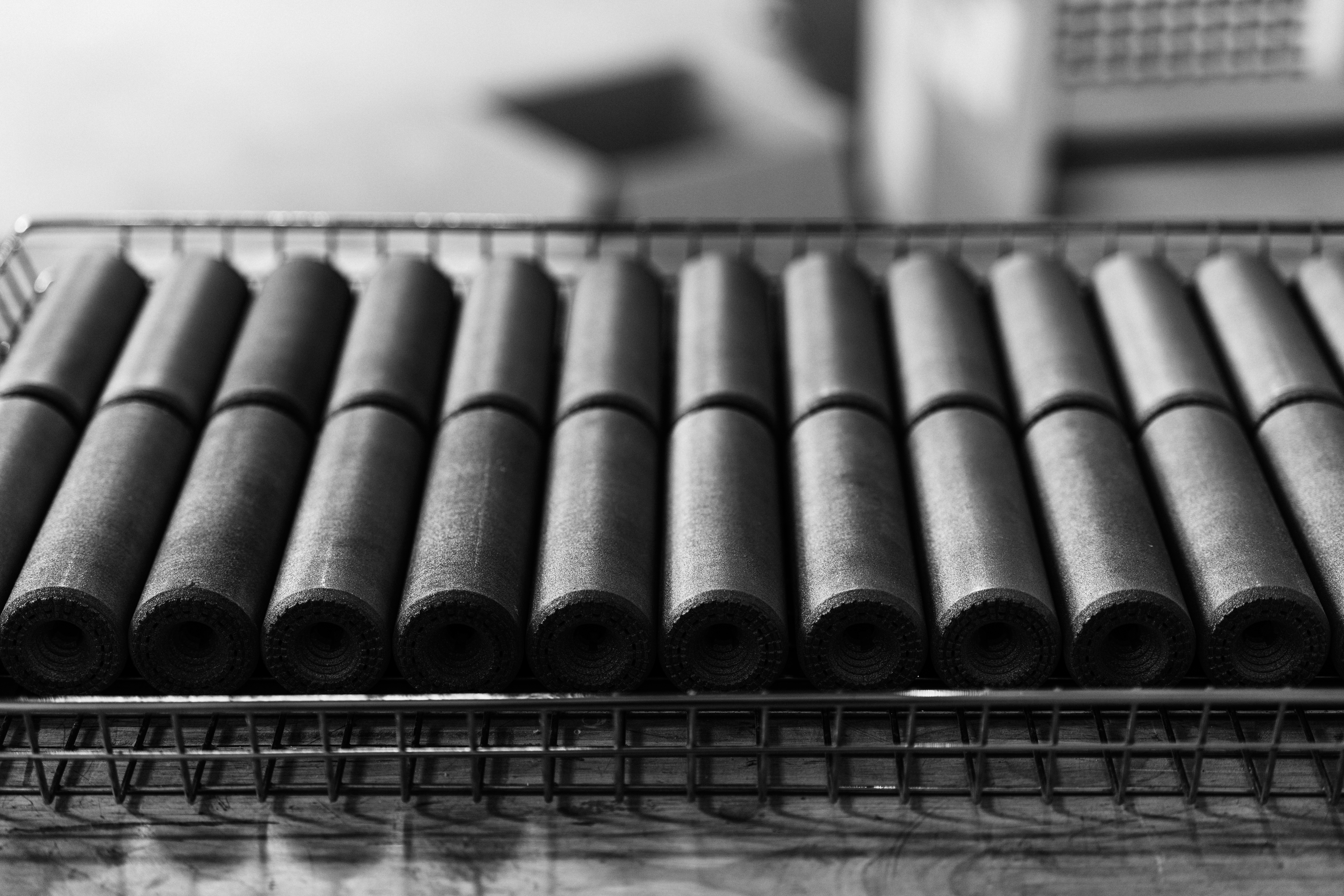
Why Inconel and Additive Manufacturing Are Changing the Future of Silencers
Silencer technology has evolved rapidly over the last decade. While traditional manufacturing methods continue to produce outstanding silencers, advancements in materials and additive manufacturing are opening doors to performance levels that were previously difficult—or impossible—to achieve.
One material sits at the center of that evolution: Inconel.
What Makes Inconel Different?
Inconel is a nickel-based superalloy originally developed for some of the harshest environments imaginable. It’s commonly found in aerospace, turbine, and industrial applications where extreme heat, pressure, and erosion would quickly destroy conventional materials.
Those same conditions exist inside a silencer.
Every shot subjects a silencer to intense pressure spikes, extreme temperatures, and high-velocity particle erosion. While stainless steel and titanium remain excellent materials for many applications, Inconel offers a unique combination of heat resistance, strength retention, and durability when conditions become severe.
Inconel has long been trusted in blast baffle applications because of its ability to withstand repeated abuse from high-volume firing schedules and demanding cartridges.
The Additive Manufacturing Advantage
The real breakthrough happens when advanced materials meet advanced manufacturing.
Traditional machining requires engineers to work within the limitations of cutting tools and assembly methods. Additive manufacturing—commonly known as metal 3D printing—removes many of those restrictions by building components layer by layer from metal powder using precision lasers.
This allows engineers to create internal geometries that would be difficult or impossible to machine conventionally.
For silencers, that means:
- More efficient gas management
- Greater design freedom
- Optimized weight distribution
- Reduced part count
- Increased durability through monolithic construction
Instead of designing around manufacturing limitations, engineers can focus on designing around performance goals.
Why Shooters Should Care
Advanced manufacturing isn’t about following industry trends. It’s about creating silencers that perform better in real-world conditions.
Modern shooters expect more than sound reduction alone. They want balanced performance that includes recoil control, flash suppression, durability, and minimal impact on rifle function. As silencer design continues to evolve, additive manufacturing gives engineers more tools to pursue those goals simultaneously.
The result is the potential for silencers that are stronger, more efficient, and capable of handling demanding firing schedules while maintaining consistent performance over time.
The Next Step in Silencer Evolution
At Liberty Precision Machine, engineering decisions have always been driven by performance rather than trends. Materials, geometry, and manufacturing methods are selected because they serve a purpose—not because they’re the newest buzzword in the industry.
As additive manufacturing technology continues to mature, we’re excited about the opportunities it creates. New materials, new designs, and new approaches are making things possible that simply weren’t practical a few years ago.
The future of silencer design isn’t about replacing proven engineering principles.
It’s about expanding what’s possible.


Leave a Reply